
Fetish

I have a confession to make: I have a repair fetish.
I am aware that fetish is a fairly strong word for an activity that often involves penetrating oil and a wire brush, but I've considered the alternatives, and yea verily, fetish is the word.
I love watching other people repair things. I can spend an entirely unreasonable amount of time watching someone labor the thing into something that works again. There are thousands of videos devoted to this activity. My satisfaction is almost religious.
So get down on your knees, sinners.
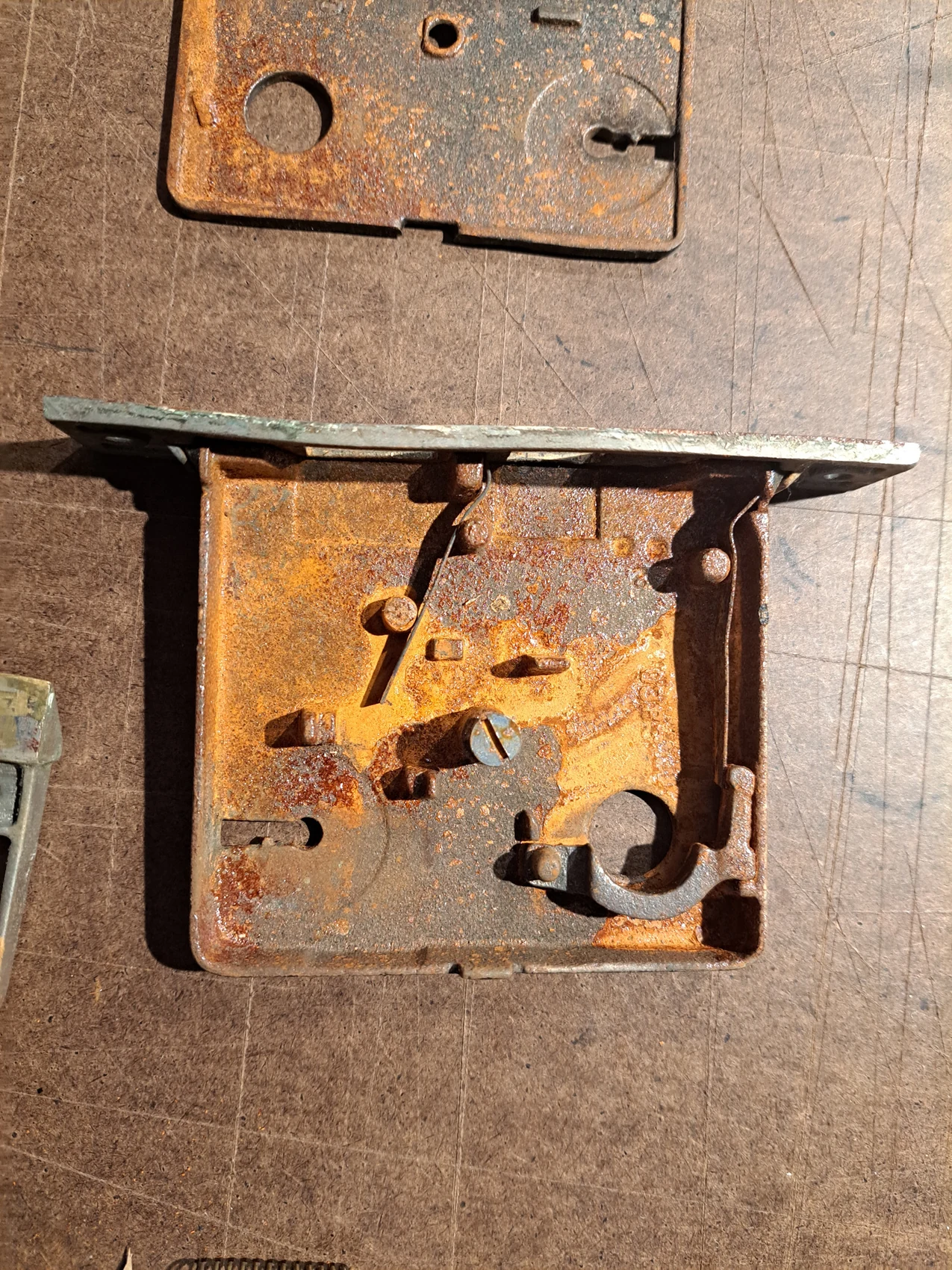
I've developed a taxonomy of repair, partly because the subject seems to demand one and partly because I'm the sort of person who finds it reassuring to divide things into categories. There are three: orthodox, refurbishment, and hack.
Orthodox repair is the restoration of function. Something is broken. You determine why it's broken. You fix it. There are people who make their living doing precisely this.
Refurbishment is more ambiguous. The object may not be broken at all. It has simply suffered the indignities of use. Returning it to service can require a surprisingly diverse collection of skills, some of which you may not possess when you begin.
Hack is where the original design ceases to be regarded as authoritative. Components are fabricated, mechanisms altered, and objects persuaded to do things their manufacturers never intended.
These distinctions are not especially rigorous. An orthodox repair can become a refurbishment, which can become a hack, sometimes within the span of an afternoon and usually because something has gone wrong. I've participated enthusiastically in all three.
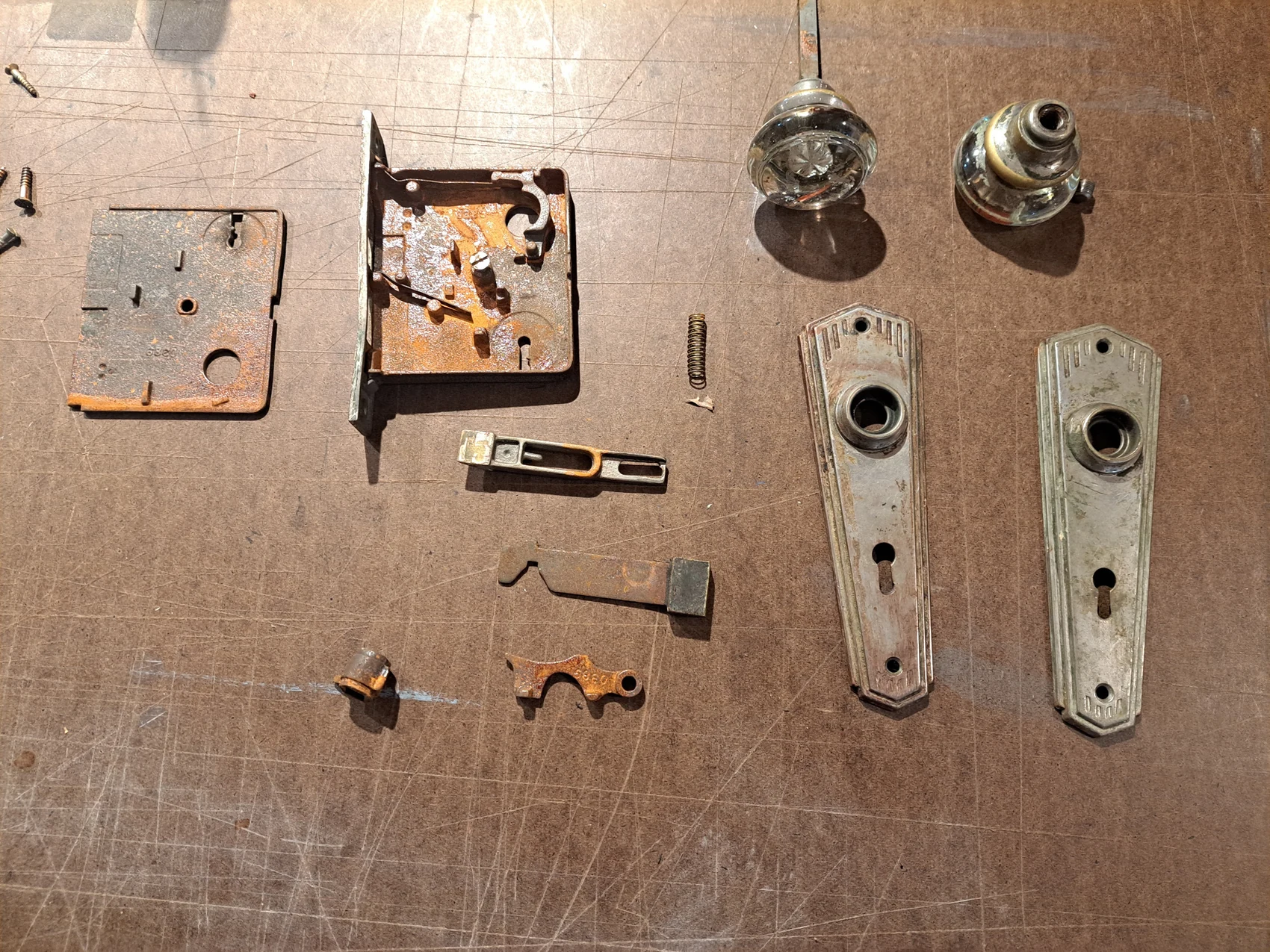
For generations, there was nothing precious about repair. It was what you did when replacing something wasn't an option. I happen to live in a world where replacements are readily available, and I have the considerable privilege of choosing whether to repair an object or replace it.
There was a time when many manufactured goods were built with the expectation that they would eventually need repair. As replacements became cheaper and more convenient, that expectation became negotiable.
Combine cheaper replacements with planned obsolescence, the particularly charming notion that a product's useful life might reasonably be determined by someone interested in selling its replacement, and you get a curious arrangement in which an object can be considered finished simply because the Market says so.
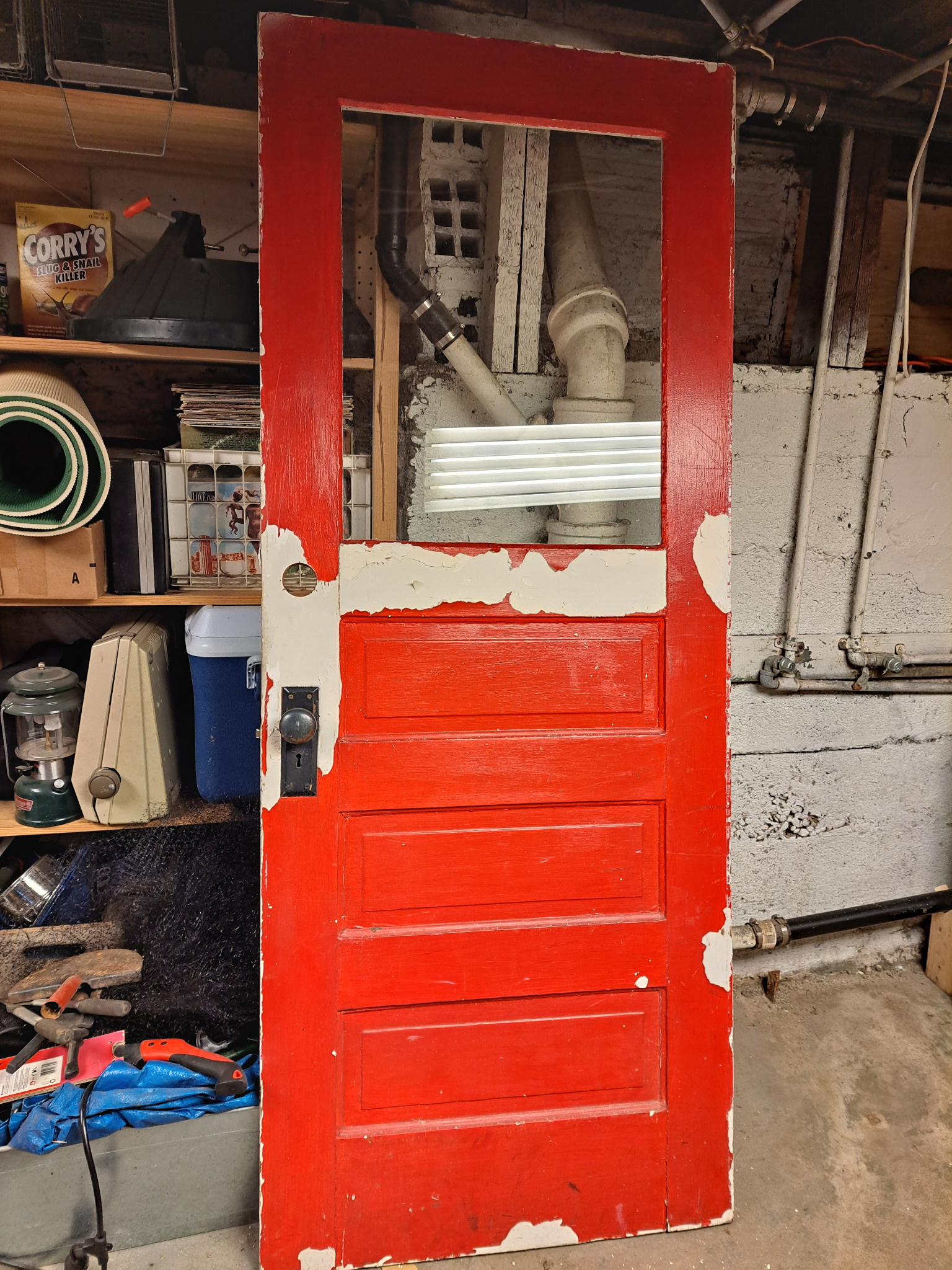 Before
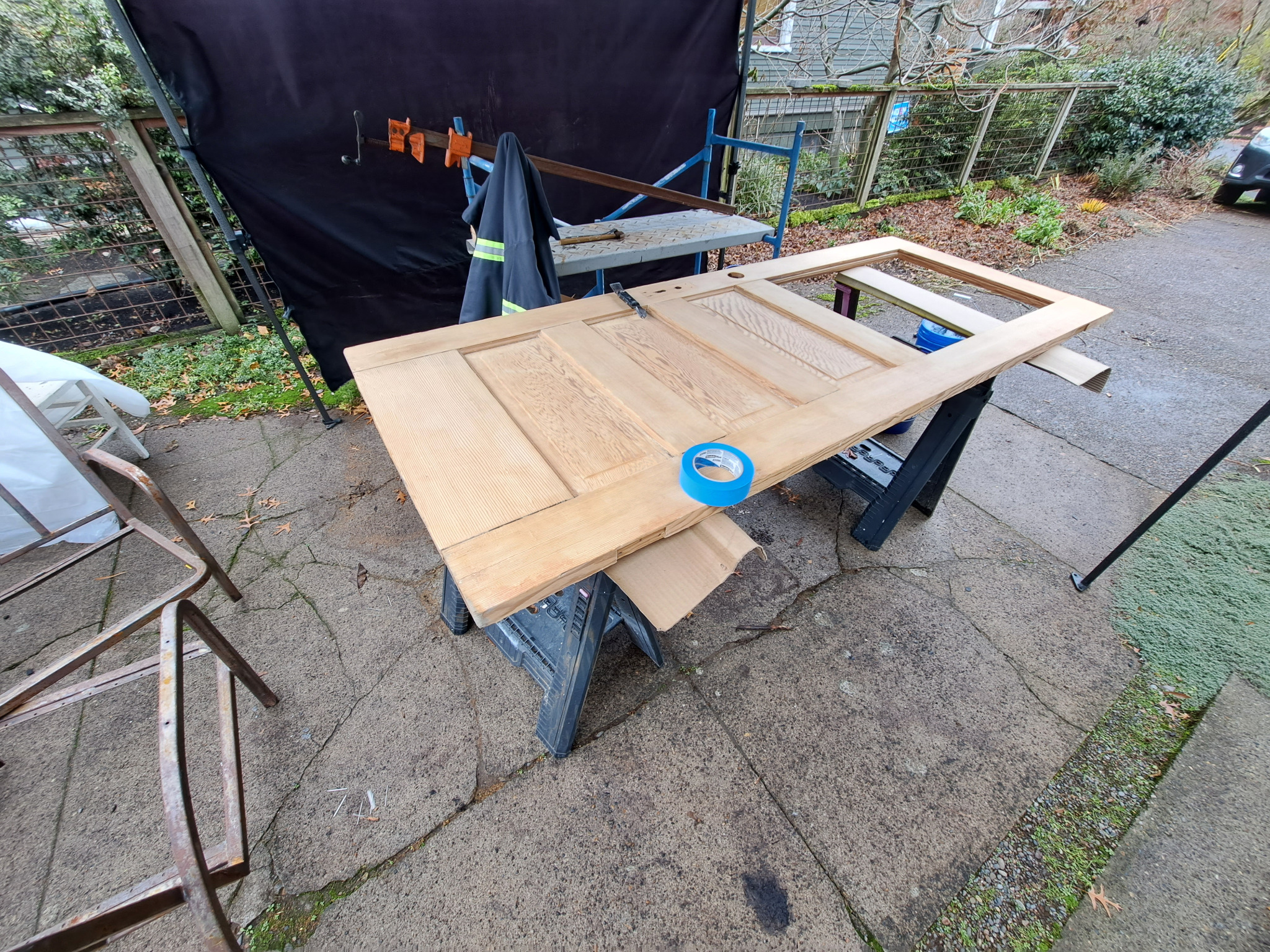 After stripping
To me, punk rock had very little to do with leather jackets or three chords played badly. The movement's point was a refusal to accept that the values of an established system were necessarily legitimate simply because the system was established.
More interestingly, you didn't necessarily need to offer a fully developed alternative. You could simply refuse.
This strikes me as an underrated form of independence, and it has something in common with repairing an object that economic logic has already declared finished. The arithmetic may be impeccable, but EAT THE RICH!
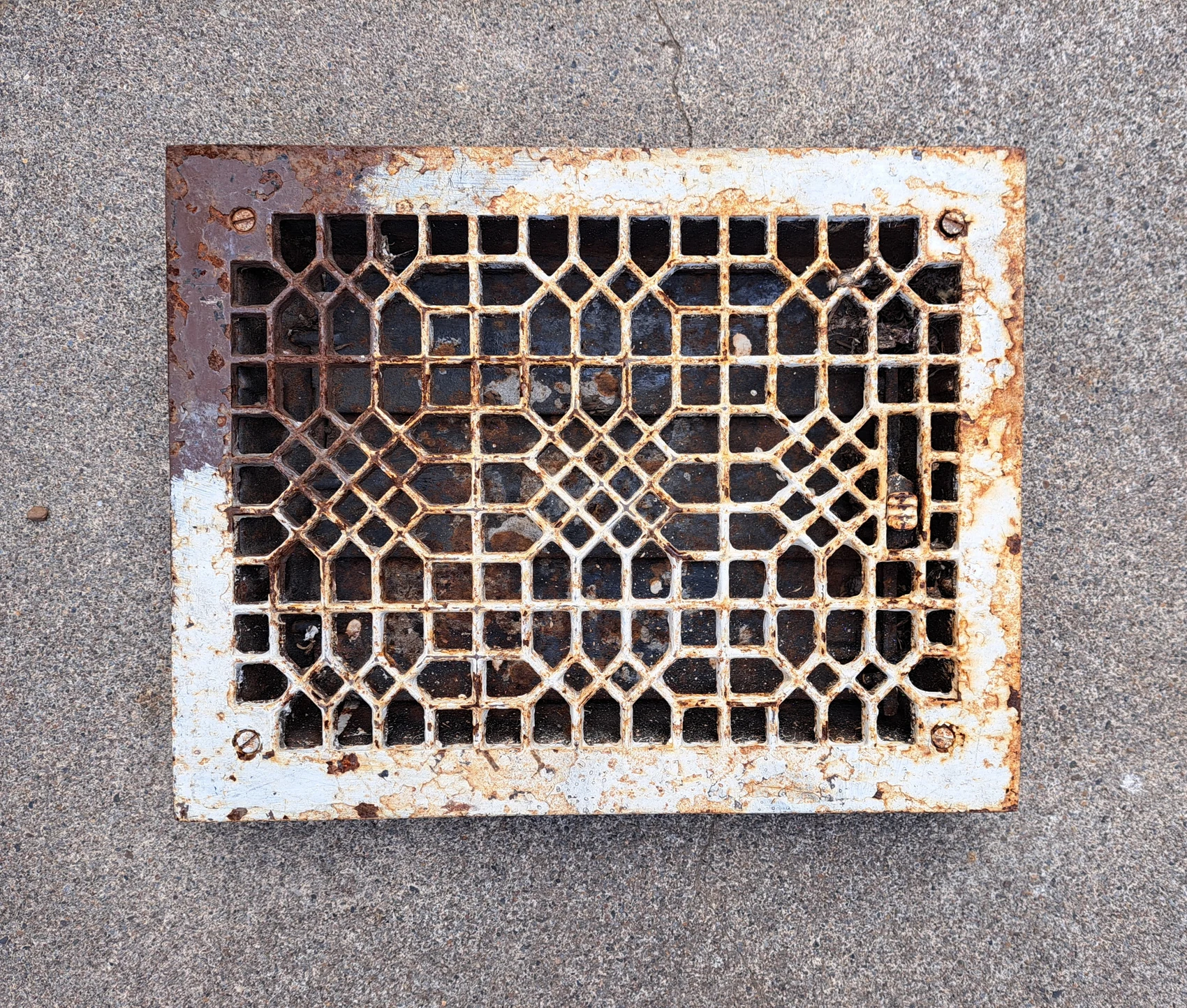
There is, of course, a danger in taking this argument too seriously. The contemporary repair enthusiast may own thousands of dollars' worth of tools for the purpose of avoiding a purchase worth forty dollars. I've encountered such people, occasionally in the mirror.
The consumer economy, being nothing if not adaptable, has discovered that it can sell us the equipment required to participate in our rejection of consumerism. We can apparently consume our way into becoming less consumptive.
I've spent unreasonable amounts of time repairing things that could have been replaced for considerably less than the cost of my effort. I'm not suggesting this is especially rational, much less heroic. It's difficult to make a convincing argument for thrift when the repair costs more than the replacement. I've tried.
And yet there's something deeply satisfying about understanding why an object failed and figuring out how to put it right. Then comes the moment when the thing works again, and the satisfaction is enormous, entirely disproportionate to the accomplishment.
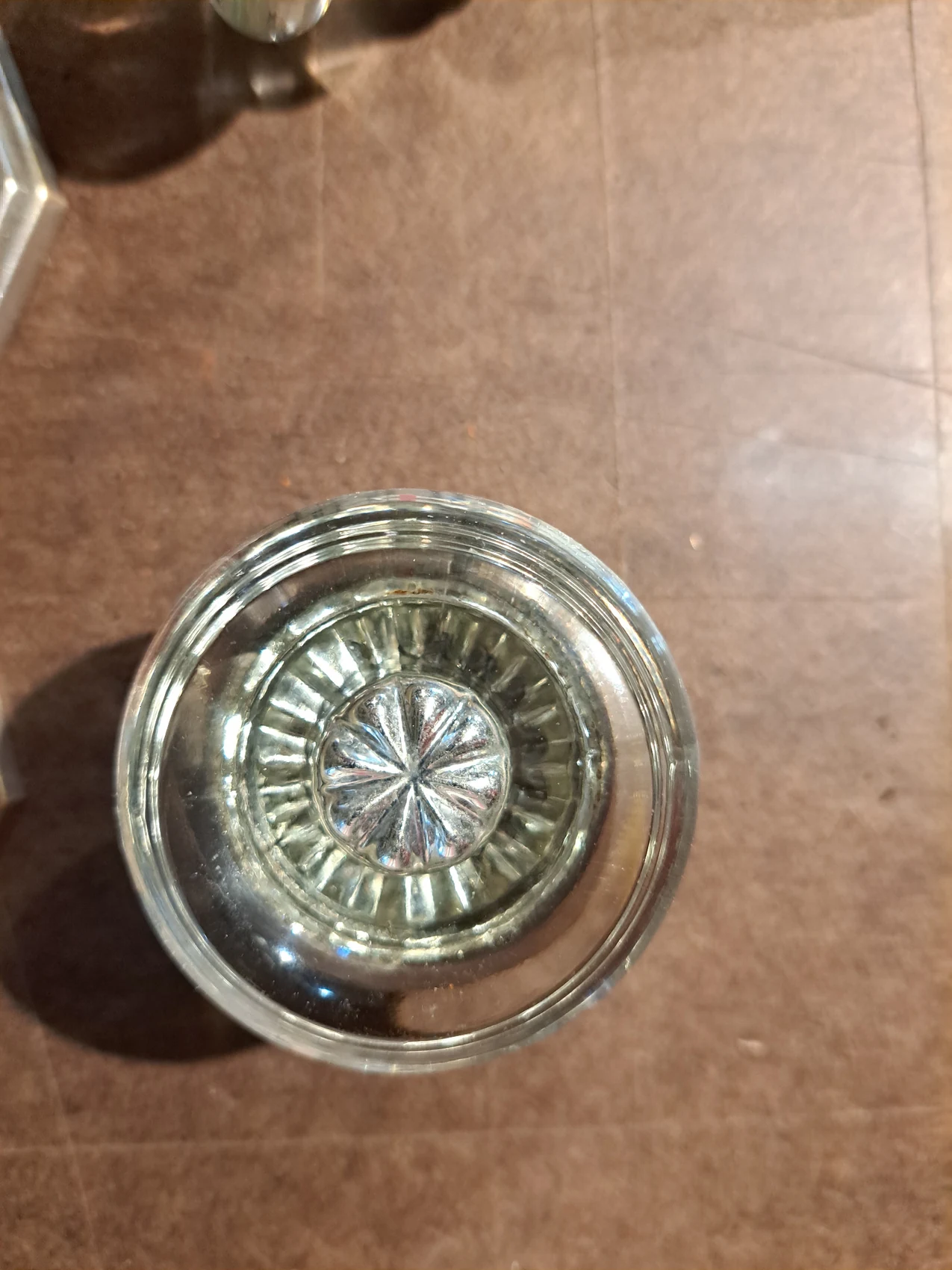
Perhaps what I'm really enjoying is the temporary restoration of a kind of agency. The world is full of systems I participate in without understanding, whose rules I didn't establish and whose outcomes I have remarkably little power to influence. But here, on a workbench, is a comprehensible problem. Something is broken. I can discover why, do something about it, make it work again.
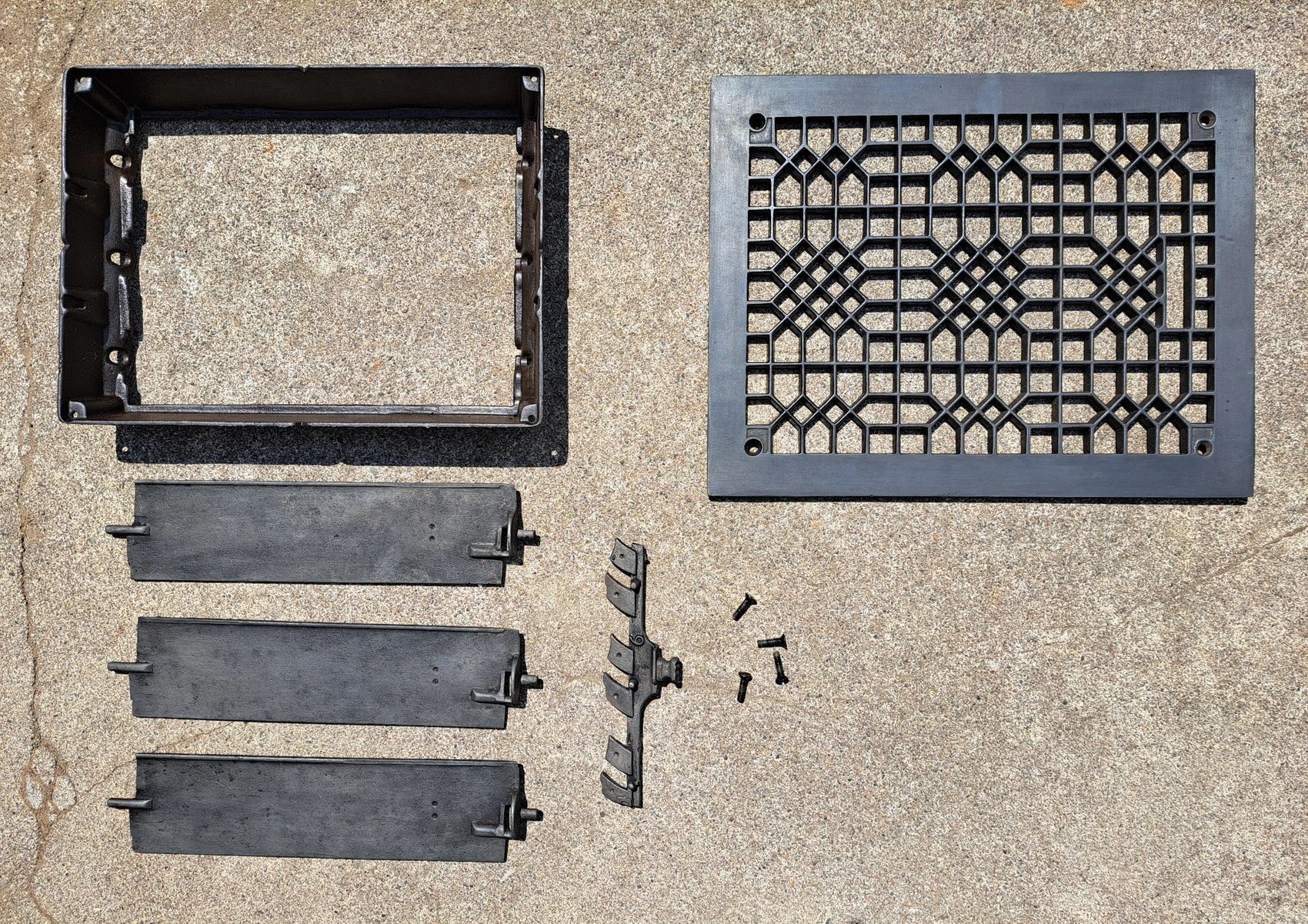
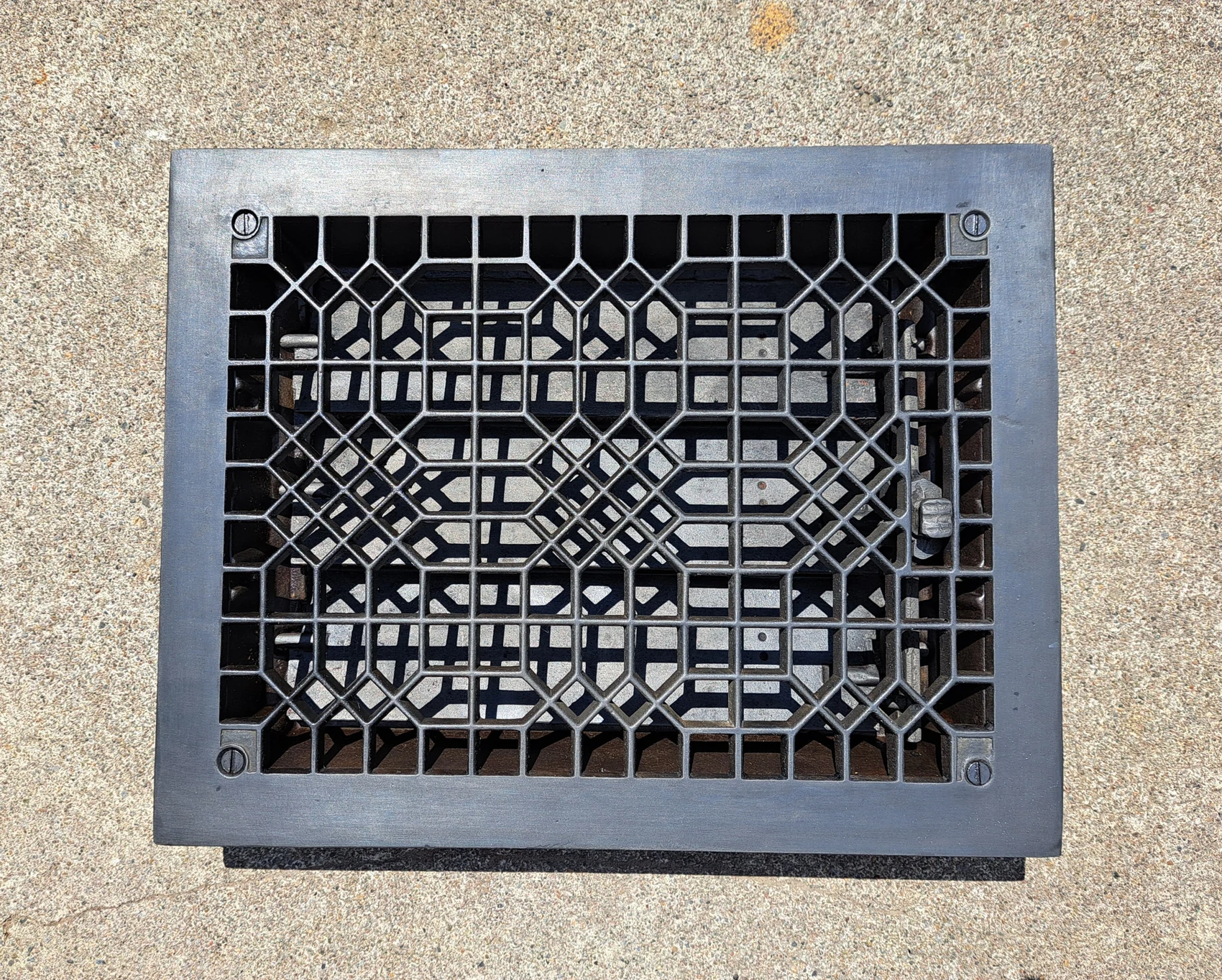
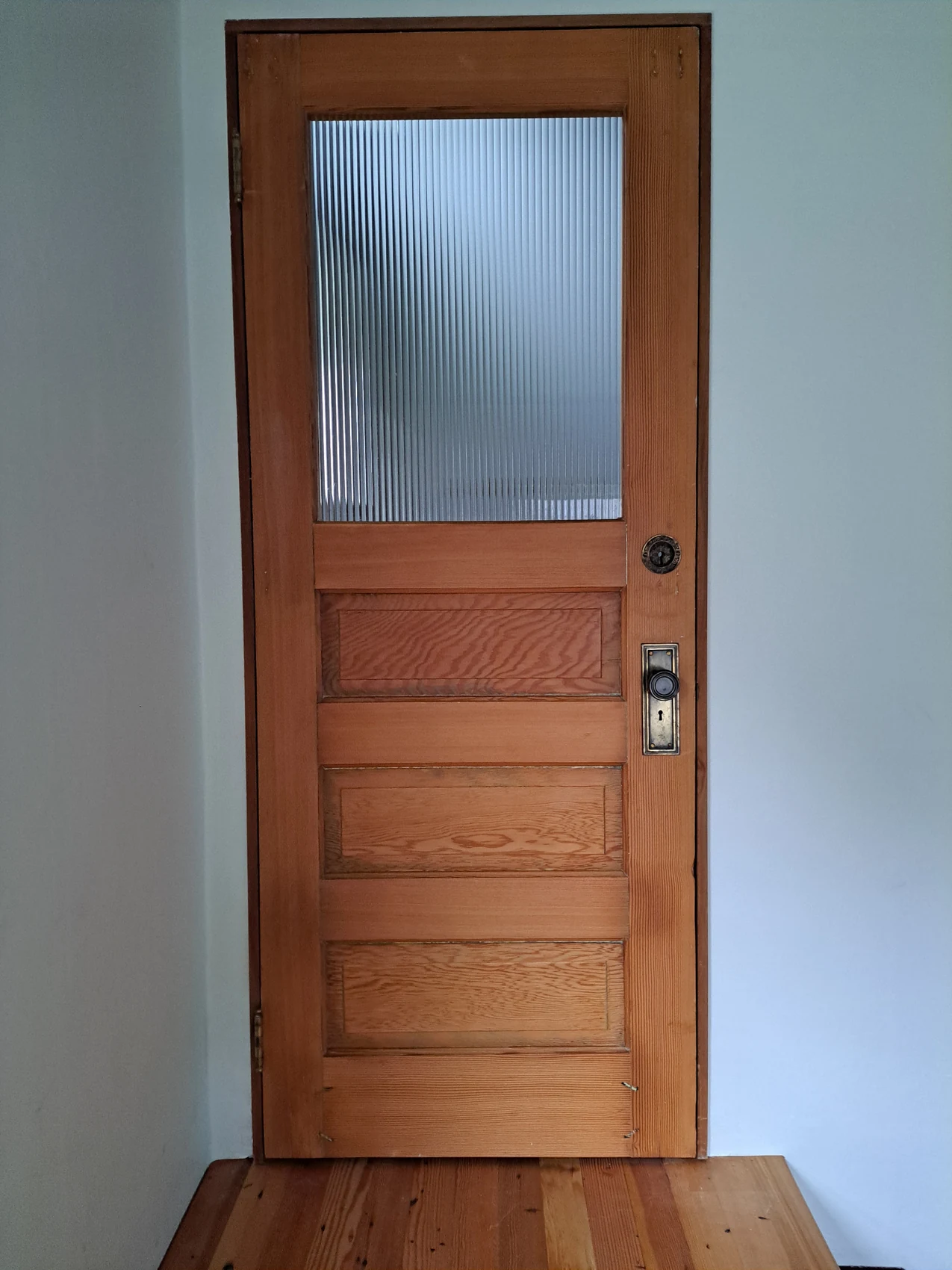
I can afford to replace it. That's the privilege. I choose to repair it. Well, that's the rebellion.
Or perhaps I've simply found an elaborate way to justify an activity I enjoy so much.
But hey, the thing works again.
Amen.